Featured

The smart Trick of What to Watch For While Choosing Forgiveness Services That Nobody is Discussing
Table of Contents
That maximizes cash in the short-term, and you may have 3 to 4 years to conserve toward the settlement amount. Very hazardous to credit report, largely due to missed settlements and an unfavorable "cleared up" mark that can stay on your credit score report for as much as 7 yearsMay be only option if various other choices (debt loan consolidation, equilibrium transfer bank card, debt forgiveness) aren't possibleTypically calls for a fee to the third event, which can offset some or all of the cost savings from financial debt settlementMay help you prevent insolvency if you've missed out on numerous paymentsNot all lenders function with debt negotiation business Debt forgiveness might be ideal for you if you are experiencing a financial challenge that makes it virtually difficult to pay for your financial obligation balances.
With a DMP, you make one monthly payment to the credit rating therapy firm. Those funds are after that distributed to creditors of your unsecured financial debts, such as charge card and installment financings. The company collaborates with your lenders to decrease interest rates or waive charges, but some creditors may refuse such concessions.
It can assist you pay down financial obligation if you're able to secure a finance rate that's reduced than the ordinary price of the accounts you're settling. You have to refrain from racking up financial obligation on those freshly cleared accounts or your debt could expand also greater.

That gives you plenty of time to eliminate or considerably minimize your equilibrium while making interest-free repayments.
The 10-Minute Rule for Expert Guidance Safeguards Your Home
You may need it if your financial institution or a collection agency ever before tries to gather on the debt in the future. The letter could verify you don't owe what the collection agency's documents reveal. Yes, in a lot of cases, the IRS takes into consideration forgiven financial debt as taxable revenue. When a loan provider forgives $600 or more, they are needed to send you Type 1099-C.
Financial obligation forgiveness or settlement often hurts your credit scores. Anytime you clear up a financial debt for less than you owe, it might look like "cleared up" on your credit score report and influence your credit history for 7 years from the date of negotiation. Your credit scores can additionally go down substantially in the months resulting in the mercy if you fall behind on settlements.
A Biased View of ROI Compared to Going It Alone Options
This scenario usually results from underreporting earnings, not filing returns on time, or discrepancies discovered during an Internal revenue service audit. The repercussions of gathering tax financial debt are major and can consist of tax obligation liens, which give the Internal revenue service a legal case to your building as safety and security for the debt.
Earnings and Bank Accounts IRS can levy (seize) incomes and financial institution accounts to please the financial obligation. Residential or commercial property Seizure In extreme instances, the IRS can take and market building to cover the financial obligation.
Anxiety, anxiousness, and other mental wellness concerns. Social Preconception Encountering lawsuit from the internal revenue service can carry social preconception. Damage to online reputation and relationships. Work Opportunities A poor debt score as a result of tax debt can limit job opportunity. Trouble finding or maintaining a work. Government Benefits Tax obligation debt might impact eligibility for federal government benefits, such as Social Safety and Medicaid.
4 Easy Facts About True Experiences of Debt Relief Clients Described
The OIC considers numerous factors, consisting of the taxpayer's income, expenditures, possession equity, and capability to pay. Effectively negotiating an OIC can be complicated, needing a comprehensive understanding of the internal revenue service's guidelines and a solid argument for why your deal straightens with your capacity to pay. It is very important to note that not all applications are accepted, and the process requires comprehensive economic disclosure.
The IRS evaluates your overall financial situation, including your income, expenses, property equity, and capacity to pay. You need to additionally be present with all filing and settlement requirements and not be in an open bankruptcy case. The internal revenue service additionally considers your compliance background, examining whether you have a document of prompt declaring and paying tax obligations in previous years.
Some Of What's Ahead in Debt Forgiveness and Debtor Protections
The application procedure for a Deal in Compromise involves a number of comprehensive actions. You need to complete and send IRS Type 656, the Offer in Compromise application, and Form 433-A (OIC), a collection details statement for individuals. These kinds call for comprehensive economic info, including information concerning your revenue, debts, expenditures, and possessions.
Back tax obligations, which are unpaid tax obligations from previous years, can substantially boost your total IRS financial debt if not attended to immediately. This debt can accumulate interest and late settlement penalties, making the initial amount owed a lot bigger over time. Failure to pay back tax obligations can lead to the internal revenue service taking enforcement actions, such as issuing a tax lien or levy versus your residential or commercial property.
It is essential to resolve back taxes asap, either by paying the sum total owed or by organizing a payment strategy with the IRS. By taking aggressive steps, you can avoid the accumulation of extra interest and fines, and avoid extra hostile collection activities by the internal revenue service.
One usual reason is the belief that the taxpayer can pay the total either as a lump amount or through a layaway plan. The IRS also considers the taxpayer's revenue, costs, asset equity, and future earning possibility. If these elements suggest that the taxpayer can pay for to pay greater than the supplied quantity, the IRS is most likely to reject the offer.
The smart Trick of Debtor Rights Under Bankruptcy Law That Nobody is Talking About
It is essential to give accurate and complete details in your application and to consult with a tax obligation specialist to improve the chances of approval. Managing IRS financial debt can be intricate and daunting. Tax obligation experts, such as Certified public accountants, tax obligation lawyers, or enrolled representatives, can provide important support. They have the expertise to navigate the details of tax legislation and internal revenue service treatments.

Table of Contents
Latest Posts
Some Known Questions About Hidden Charges That Reputable Providers Disclose.
Fascination About Avoiding New Debt Problems After Debt Relief

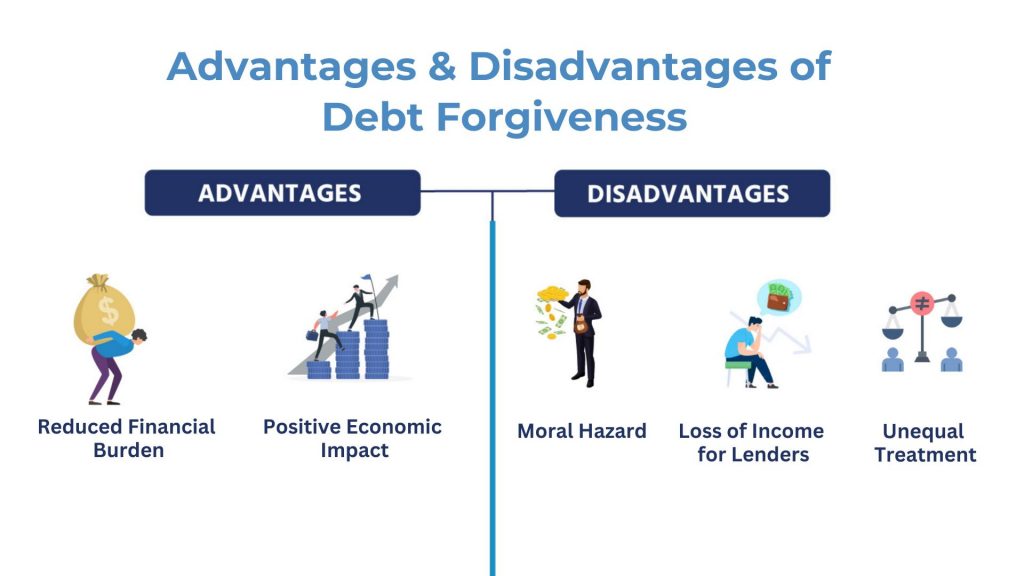
The "Debt Forgiveness Is Shameful" Corrected Statements
More
Latest Posts
Some Known Questions About Hidden Charges That Reputable Providers Disclose.
Fascination About Avoiding New Debt Problems After Debt Relief
The "Debt Forgiveness Is Shameful" Corrected Statements