Featured
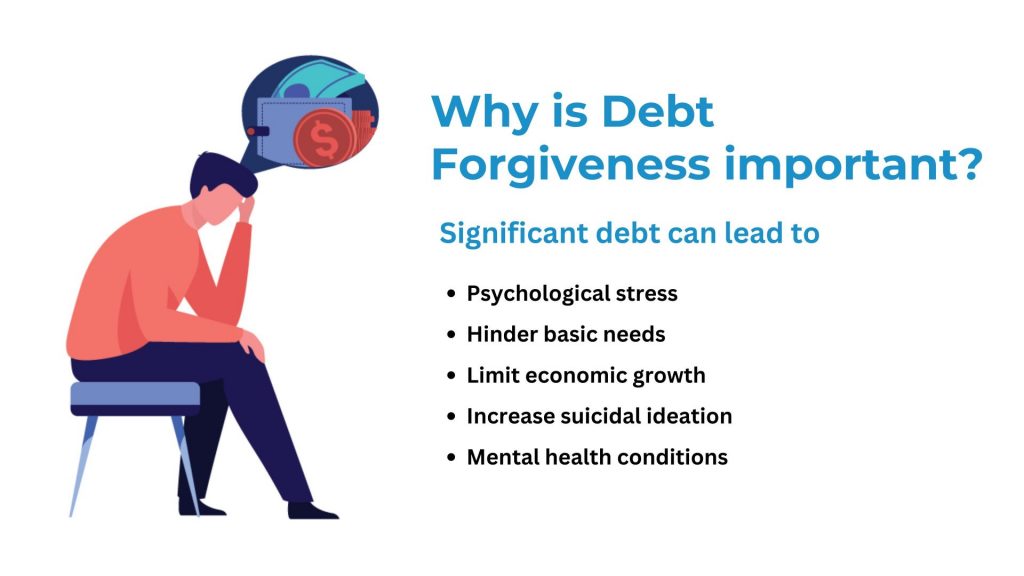
A Biased View of Financial Conditions and How More People Need for Debt Forgiveness
Table of Contents
That maximizes money in the short term, and you may have three to 4 years to save toward the settlement quantity. Really harmful to credit rating, primarily because of missed out on settlements and a negative "worked out" mark that might remain on your credit history record for approximately 7 yearsMay be only choice if other alternatives (financial debt consolidation, equilibrium transfer credit cards, financial debt forgiveness) aren't possibleTypically calls for a charge to the 3rd party, which can balance out some or all of the financial savings from debt settlementMay assist you avoid bankruptcy if you have actually missed numerous paymentsNot all financial institutions function with debt negotiation business Financial debt forgiveness may be appropriate for you if you are experiencing an economic hardship that makes it nearly difficult to pay for your financial debt equilibriums.
With a DMP, you make one month-to-month settlement to the debt therapy company. Those funds are then distributed to creditors of your unprotected financial debts, such as charge card and installment finances. The firm works with your lenders to reduce interest prices or forgo fees, yet some financial institutions may reject such giving ins.
A financial debt loan consolidation loan combines your qualified debts right into one brand-new financing. It can assist you pay down financial obligation if you're able to secure a loan rate that's less than the average price of the accounts you're combining. You need to avoid from racking up debt on those recently cleared accounts or your financial obligation can expand also higher.

These cards typically use a 0% rate of interest introductory duration of approximately 21 months. That provides you lots of time to eliminate or considerably reduce your equilibrium while making interest-free payments. For some people encountering overwhelming financial debt, insolvency might be the only way to stop collection proceedings and lawfully settle their financial debts.
Is Why Low-Interest Loans Are a Lifeline for Veterans Navigating Civilian Life Make Sense for Most People Fundamentals Explained
You might require it if your financial institution or a debt collector ever before tries to collect on the financial obligation in the future. The letter might confirm you don't owe what the collection firm's records show. Yes, for the most part, the internal revenue service considers forgiven financial debt as taxed income. When a lender forgives $600 or more, they are called for to send you Kind 1099-C.
Debt mercy or negotiation usually injures your credit. Anytime you resolve a financial obligation for less than you owe, it might show up as "cleared up" on your credit history record and affect your credit rating for seven years from the date of settlement. Your credit rating can additionally go down significantly in the months causing the mercy if you fall behind on payments.
More About How to Begin with Your Financial Recovery Journey
Tax obligation financial obligation concession programs Tax financial obligation occurs when the quantity of taxes you owe exceeds what you have actually paid. This situation frequently arises from underreporting income, not submitting returns promptly, or disparities located throughout an IRS audit. The repercussions of accumulating tax financial obligation are severe and can consist of tax liens, which offer the internal revenue service a lawful case to your residential or commercial property as security for the debt.
Greater rate of interest on readily available debt. Wages and Bank Accounts internal revenue service can impose (confiscate) wages and checking account to satisfy the financial debt. Minimized earnings and disturbance of necessary monetary processes. Building Seizure In severe cases, the IRS can confiscate and offer building to cover the financial debt. Loss of beneficial properties and possible displacement.
Social Preconception Encountering legal activity from the Internal revenue service can lug social preconception. Work Opportunities A poor credit scores rating due to tire financial obligation can restrict work opportunities. Federal government Advantages Tax obligation financial debt may impact eligibility for government advantages, such as Social Safety and Medicaid.
Not known Details About Unsecured Debt Why Low-Interest Loans Are a Lifeline for Veterans Navigating Civilian Life Options
The OIC considers numerous aspects, consisting of the taxpayer's revenue, expenses, possession equity, and capacity to pay. Efficiently working out an OIC can be intricate, needing a comprehensive understanding of the IRS's standards and a solid disagreement for why your offer lines up with your ability to pay. It is very important to note that not all applications are approved, and the process needs detailed financial disclosure.
The IRS assesses your total economic scenario, including your income, expenses, possession equity, and capability to pay. You must also be current with all filing and payment needs and not remain in an open bankruptcy case. The IRS also considers your compliance background, assessing whether you have a document of prompt declaring and paying taxes in previous years.
Fascination About How Quality Counselors Differ in Alternative Debt Relief Organizations
The application process for an Offer in Concession includes a number of in-depth actions. Initially, you need to complete and submit IRS Form 656, the Deal in Concession application, and Form 433-A (OIC), a collection information statement for people. These types need thorough economic details, consisting of details regarding your income, financial obligations, expenses, and assets.
Back tax obligations, which are overdue taxes from previous years, can considerably raise your complete IRS financial debt if not resolved promptly. This debt can accrue rate of interest and late payment charges, making the original amount owed a lot bigger in time. Failure to repay taxes can lead to the internal revenue service taking enforcement activities, such as providing a tax lien or levy against your residential or commercial property.
It is crucial to attend to back tax obligations immediately, either by paying the sum total owed or by arranging a layaway plan with the internal revenue service. By taking positive steps, you can avoid the accumulation of added passion and charges, and avoid more hostile collection actions by the internal revenue service.
One common reason is the belief that the taxpayer can pay the complete quantity either as a lump amount or through a layaway plan. The IRS likewise takes into consideration the taxpayer's income, costs, possession equity, and future earning possibility. If these aspects indicate that the taxpayer can manage to pay more than the provided quantity, the internal revenue service is most likely to reject the deal.
8 Easy Facts About Industry Changes in Why Low-Interest Loans Are a Lifeline for Veterans Navigating Civilian Life and Debtor Protections Explained
Dealing with Internal revenue service financial debt can be complex and challenging. Tax professionals, such as CPAs, tax attorneys, or signed up representatives, can provide vital assistance.

Table of Contents
Latest Posts
Some Known Questions About Hidden Charges That Reputable Providers Disclose.
Fascination About Avoiding New Debt Problems After Debt Relief

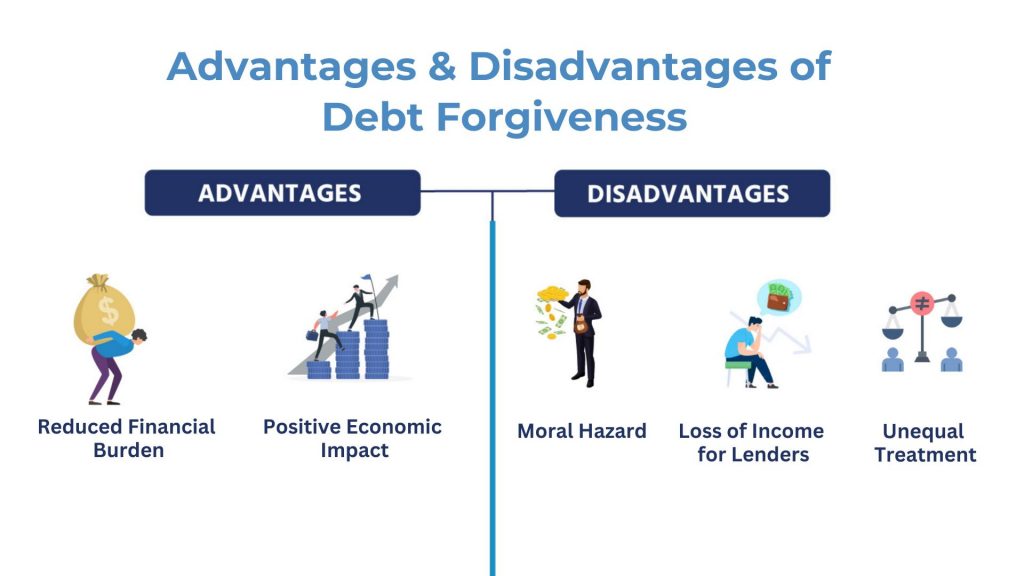
The "Debt Forgiveness Is Shameful" Corrected Statements
More
Latest Posts
Some Known Questions About Hidden Charges That Reputable Providers Disclose.
Fascination About Avoiding New Debt Problems After Debt Relief
The "Debt Forgiveness Is Shameful" Corrected Statements